Demonstration of visual skills: Materials, techniques, observational skills, visual awareness, design and compositional skills.
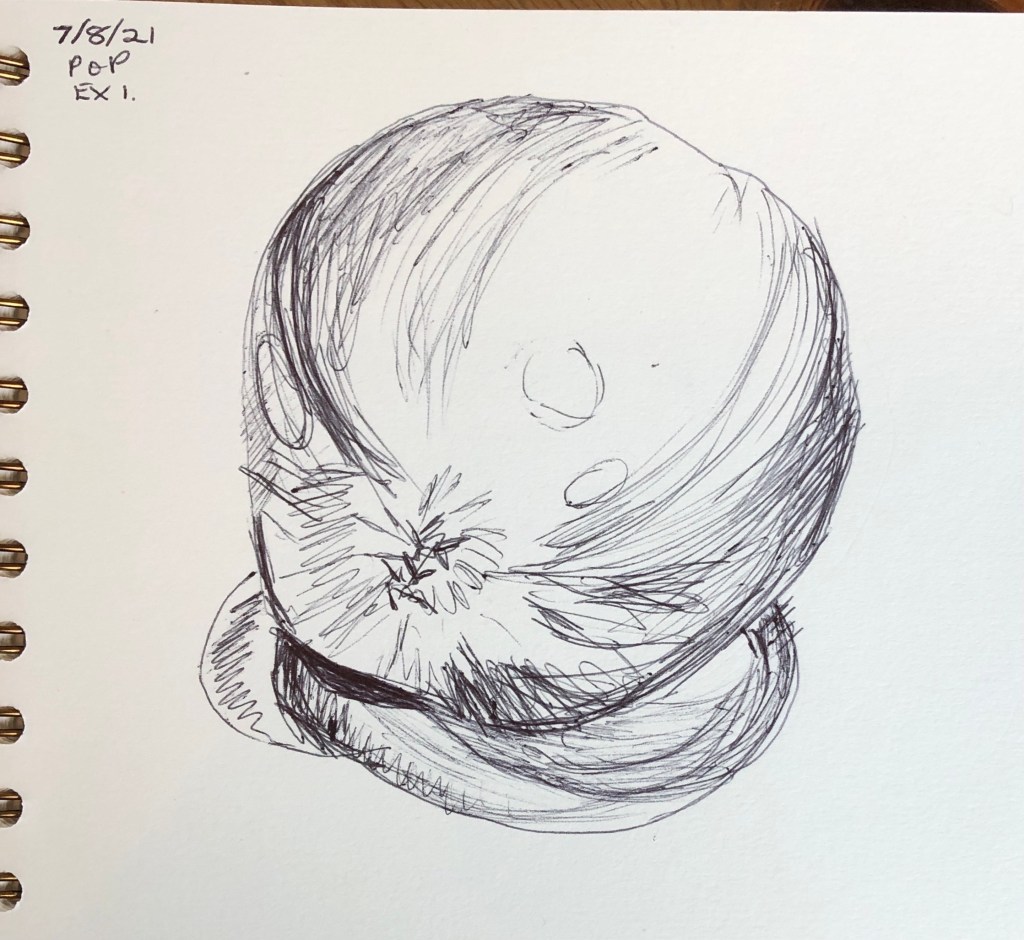
Having taken advice from other more experienced students (thank you, Anna and Fiona) I got myself organised with a specially dedicated sketchbook – which had been my boon companion during Drawing 1 but had slightly fallen by the wayside during UPM – and made sure I did more sketching, from blind continuous line right through to careful developed observational drawings.
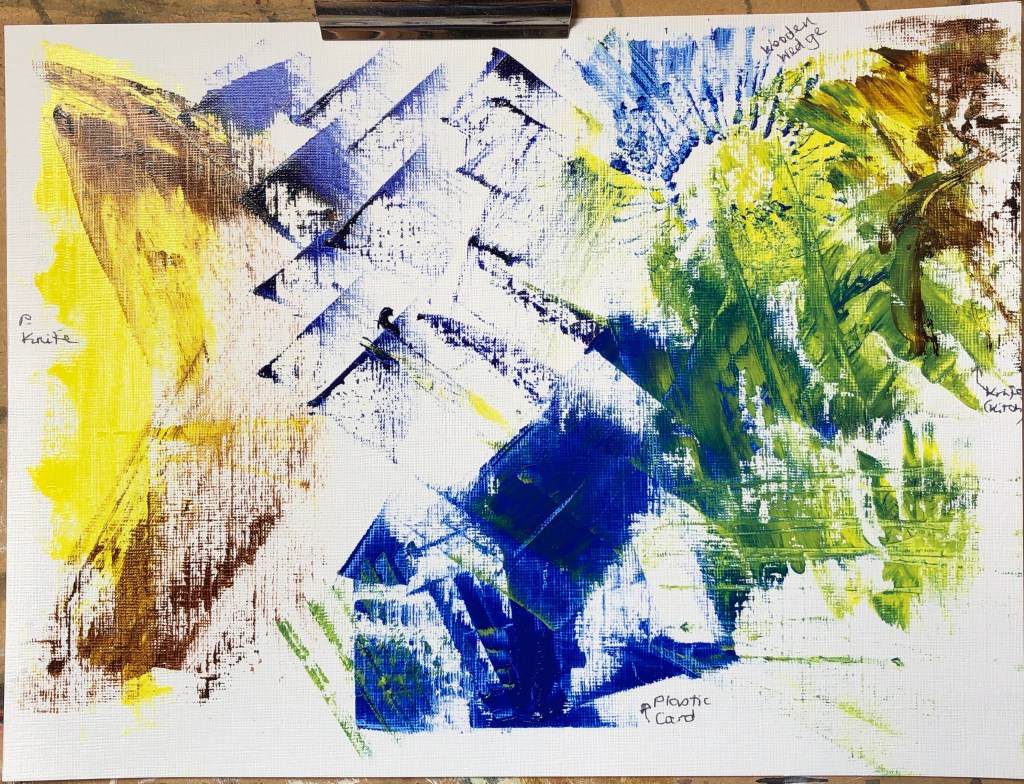
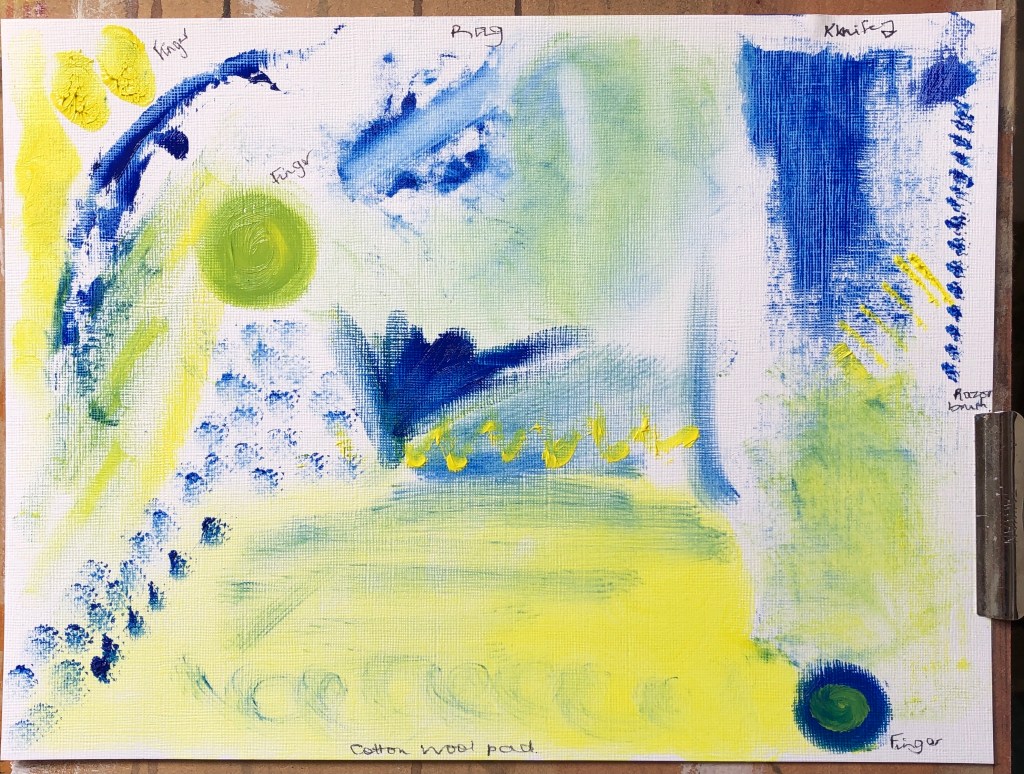
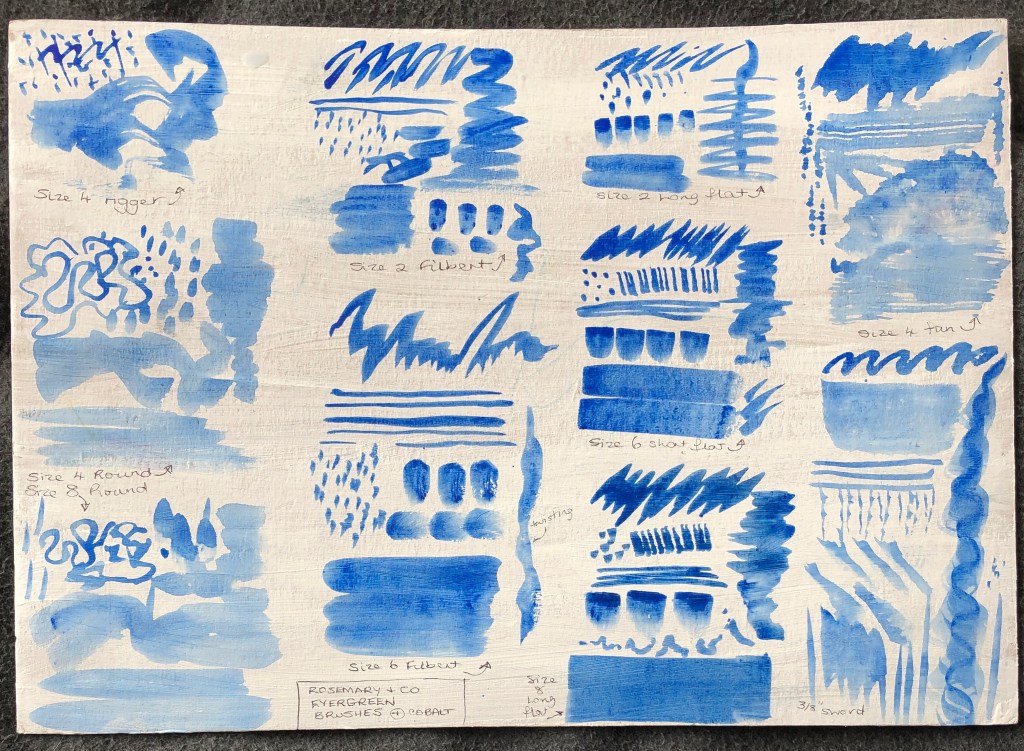
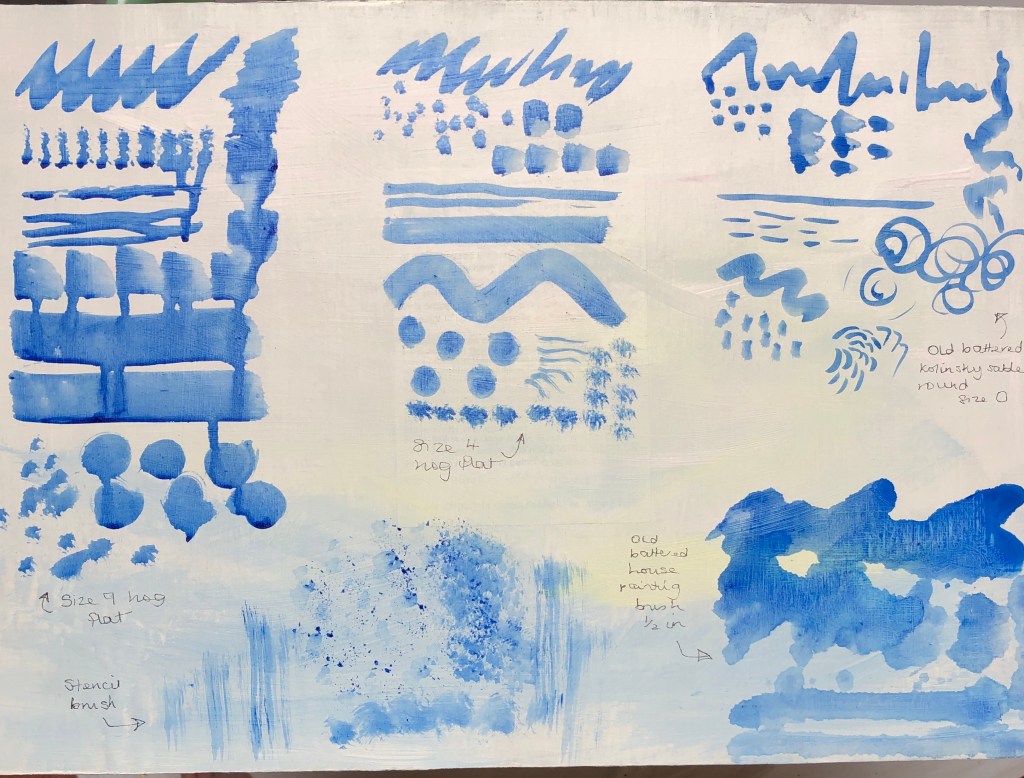
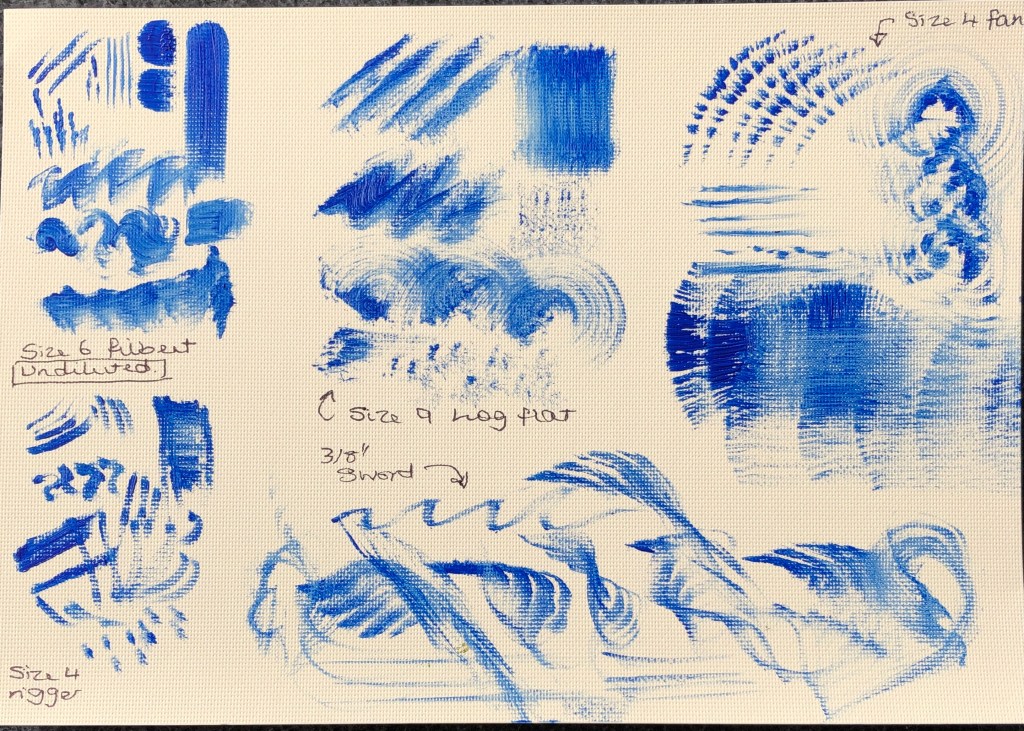
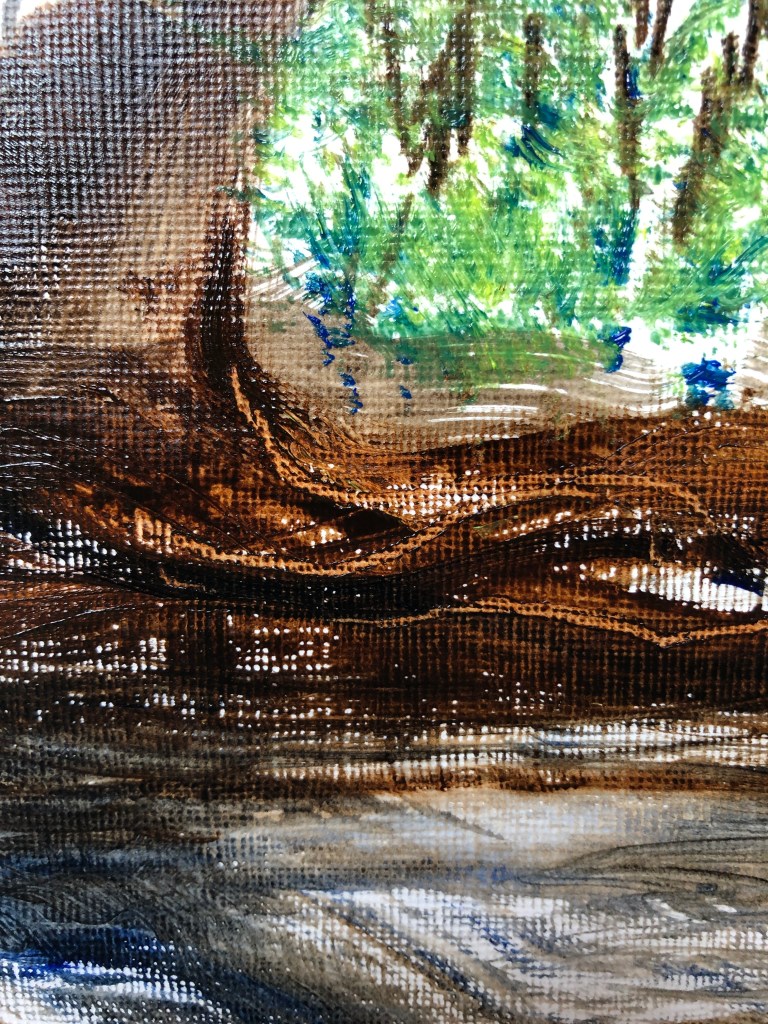
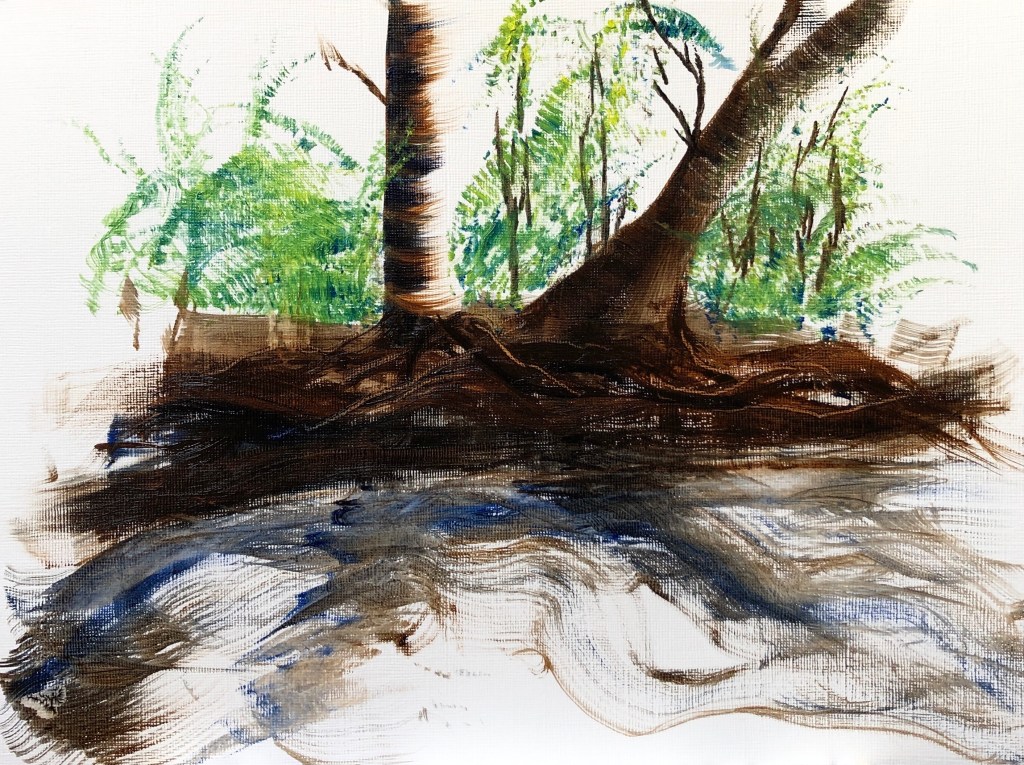
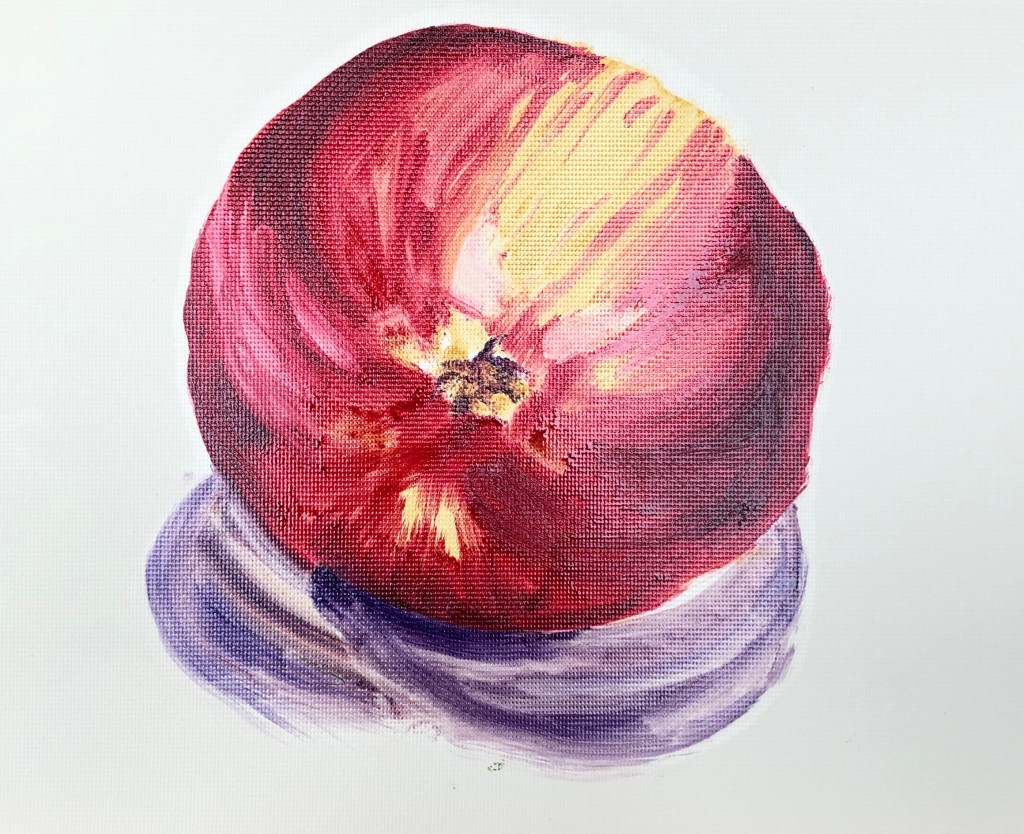
I had been keen throughout UPM to really get to grips with water mixable oils and took this as my chance. Much research and experimenting, some disastrous and some more successful, has gone on; I have learned loads, but know I have barely scratched the surface, and completely understand that the way to learn is to do, consider, and do again. I have also experimented with perspective, which was not a huge strength from Drawing 1, but which I am learning to love as a compositional tool.
Quality of outcome: Content, application of knowledge, presentation of work in a coherent manner, discernment, conceptualisation of thoughts, communication of ideas.
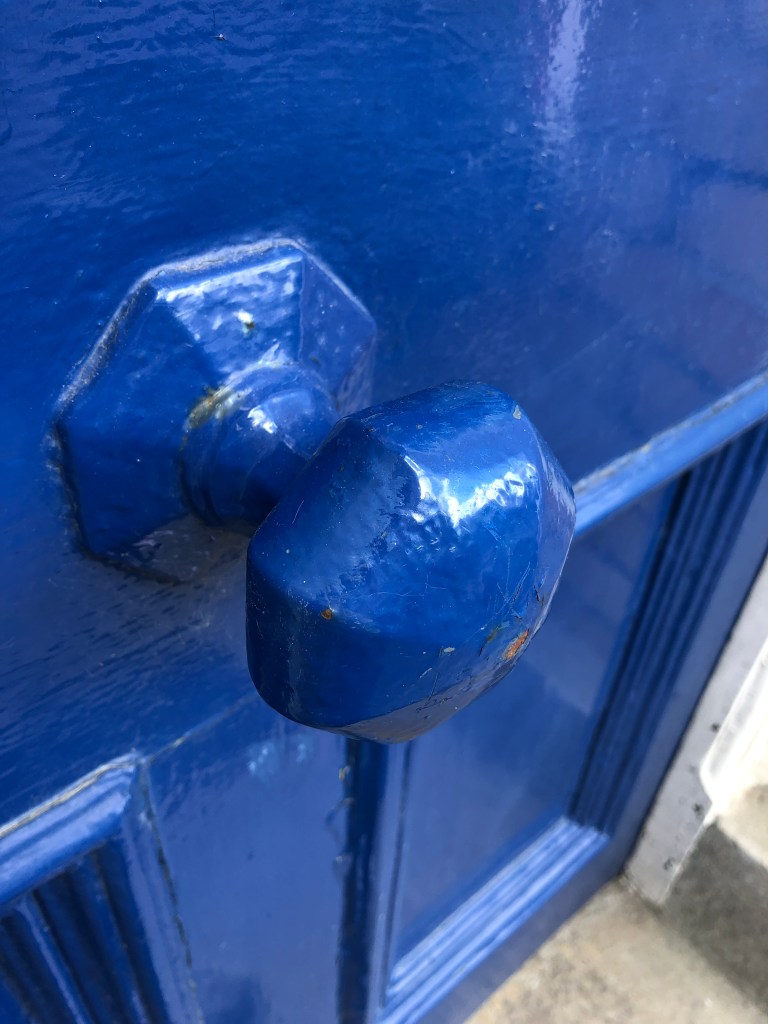
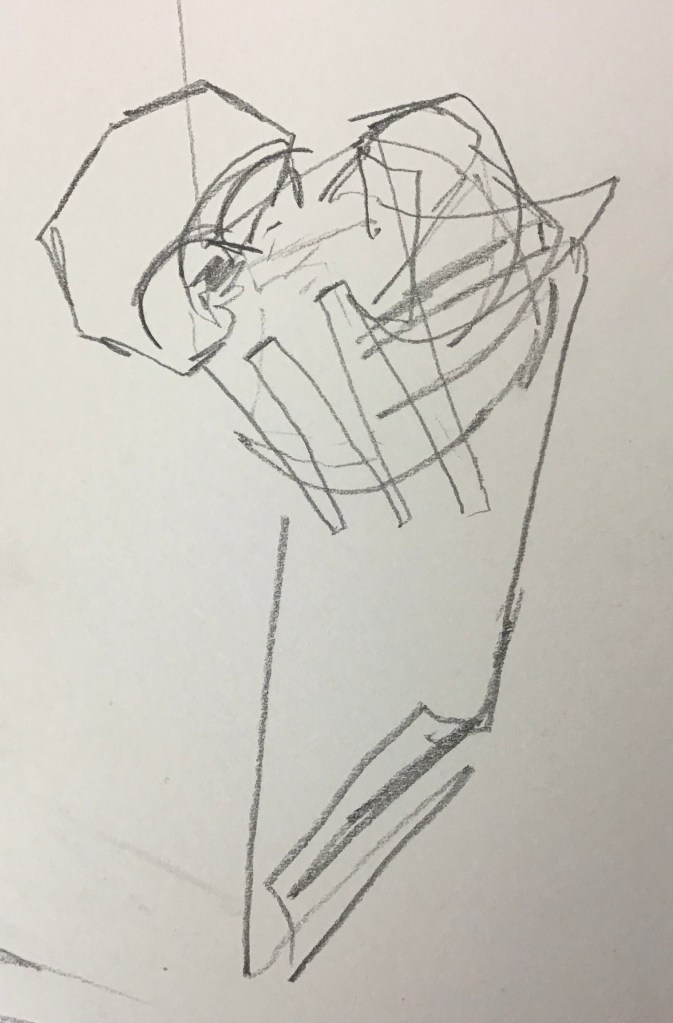
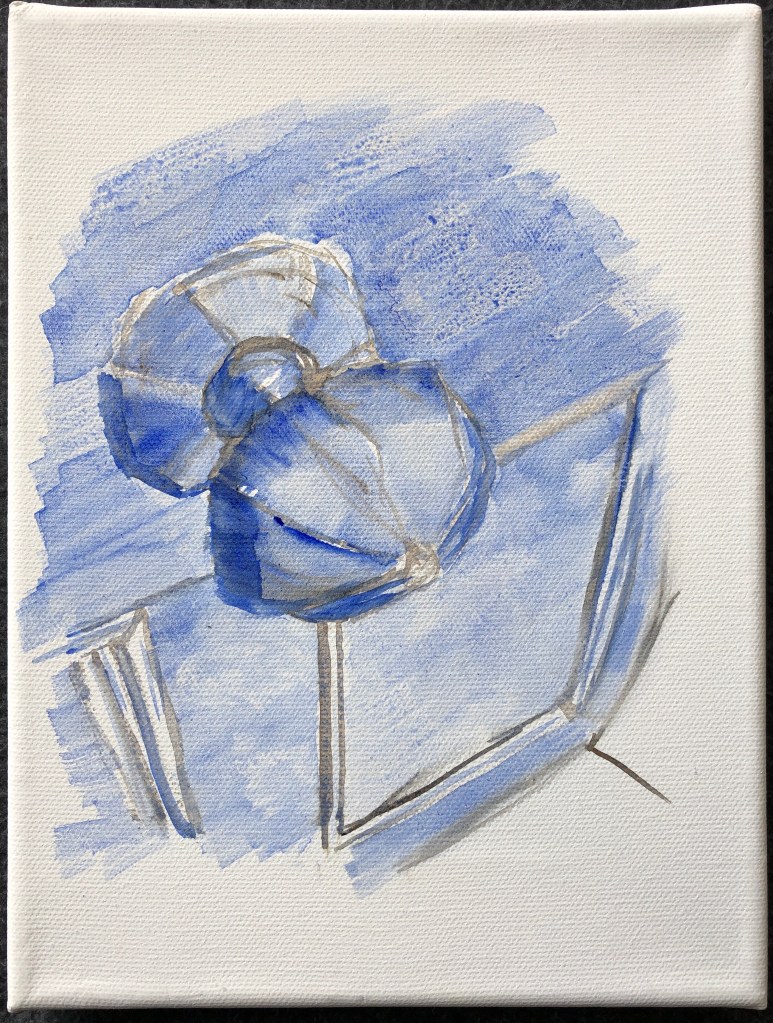
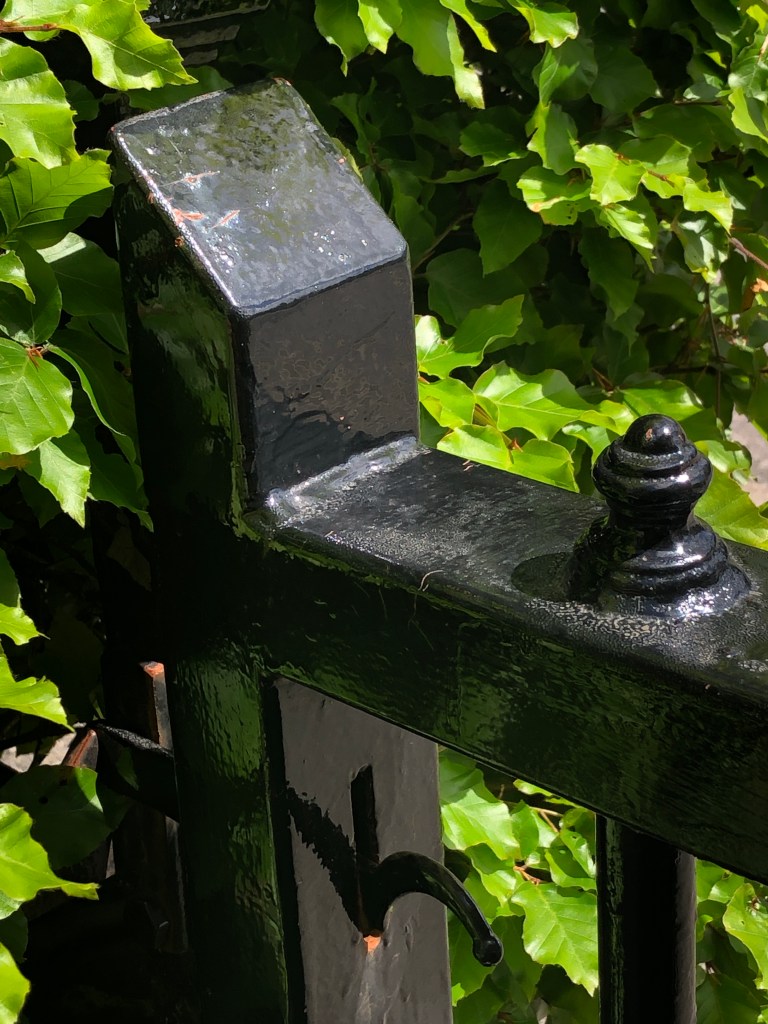
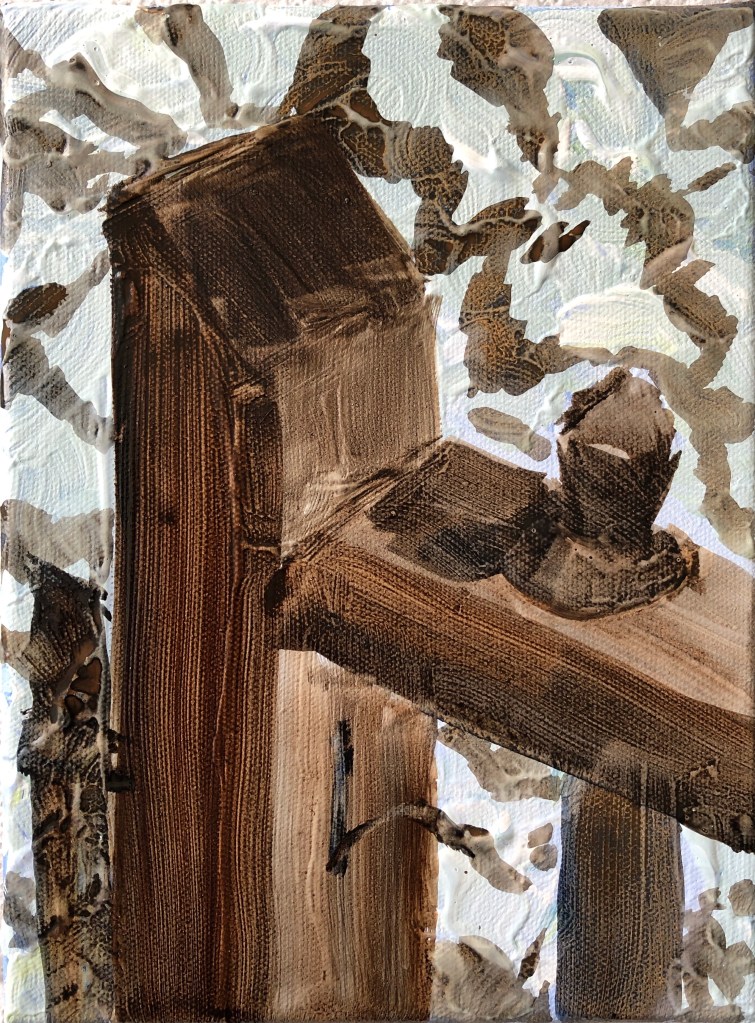
In my assignment work in particular, but also inspired by some of the exercises (especially the one where I painted rubbish), I have found myself looking more and better at unregarded, secretive corners of the garden, and parts that one passes every day (the gate, the doorknob, the number plate) without really “seeing” them. These have been the subject of my assignment paintings.
I also chose to curate them in a manner in which they are, so to speak, hiding in plain sight, surrounded by miscellaneous unrelated paraphernalia. I think the lush quality of the oil paint has been helpful in making them stand out as different, whilst not being showy and dominant.
Demonstration of creativity: Imagination, experimentation, invention, development of a personal voice.
I got my sketchbook going (see above) and it was a relief to have it to “retire” to. Having said that, I haven’t used it as much as I would have wished, as my new caring responsibilities have taken much of my time and it has been harder to follow things through consistently – I have had to grab my art in snatches rather than wallowing in time for it to wander at will.
My learning log has been a boon here – I have been made to use my time efficiently and effectively and have kept my log bang up to date as I was doing the work, which has meant that I have been more incisive and analytical and it has been of more practical use – “What works? What doesn’t? Log it, learn from it, put it into practice next time.” This has been especially helpful to me in exploring a new medium and different ways of working with it, meaning that I keep using things that go well, and things that go less well can straight away be tried again using a different approach.
Context: Reflection, research, critical thinking (learning logs and essay).
I have been inspired by various artists in my way of looking, especially Tanya Wood with her close attention to the everyday, and Maria Sibylla Merian reminding me of the importance of using an eye for detail.
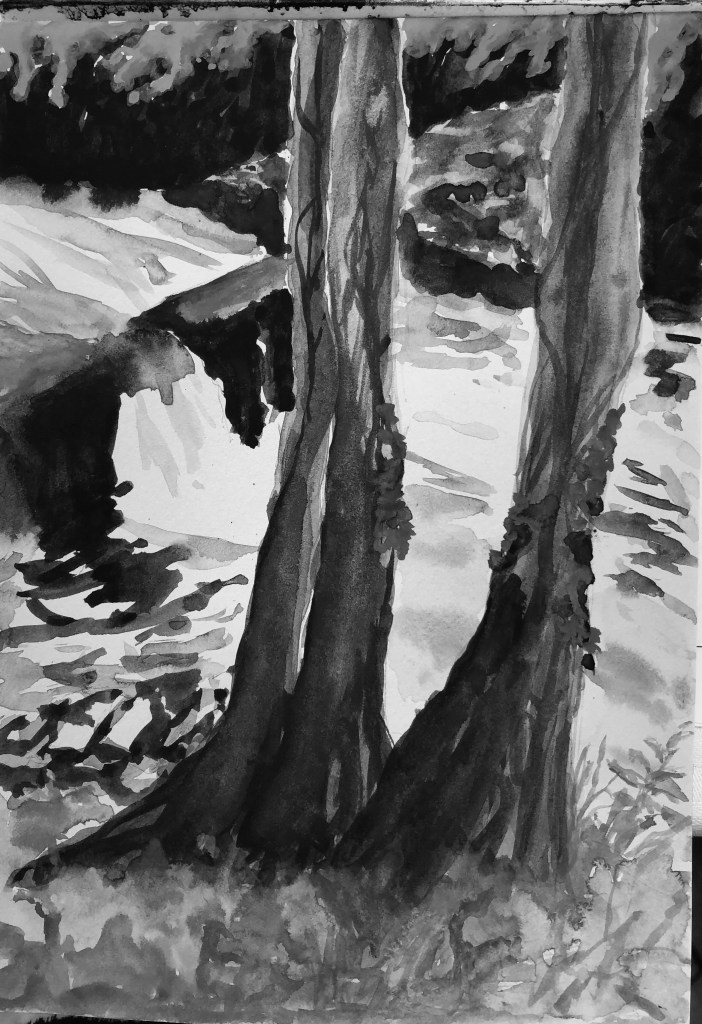
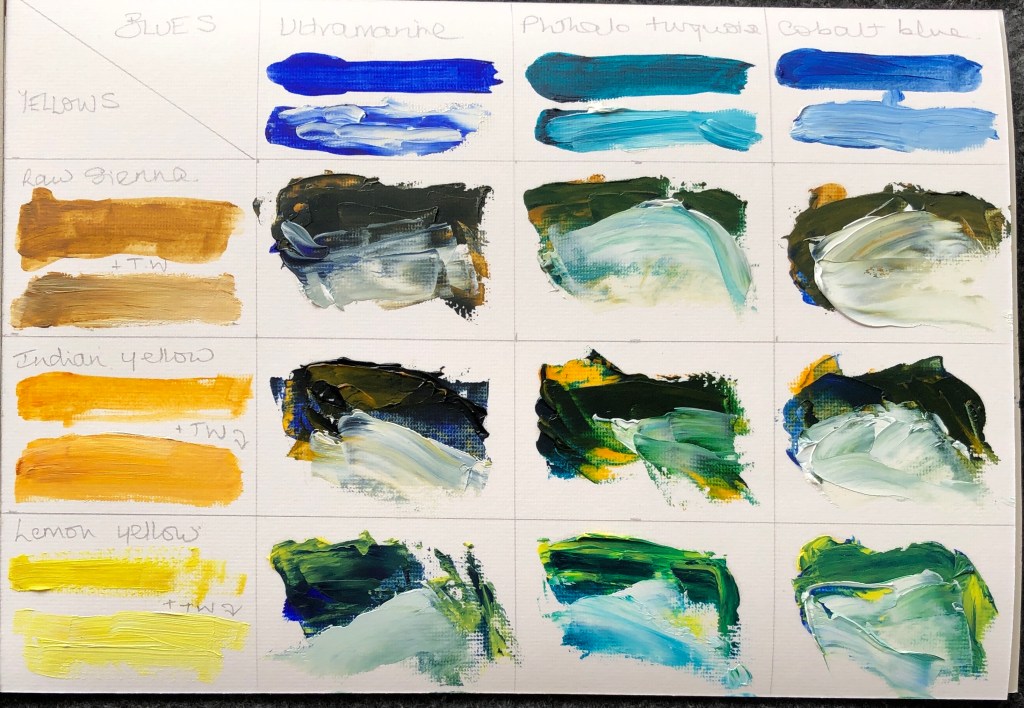
Walter Sickert has been invaluable in helping me tackle the focus on colour mixing agreed with my tutor (less is more). Mary Anne Aytoun-Ellis’s exploratory and inventive practice and working methods have encouraged me to dip my toe in the water of gesso possibilities. And Royal Talens are to be commended for their helpful, basic YouTube videos on the nature and use of water mixable paint.
So I have learned a lot from others. I have also taught myself something (it’s been said to me in various ways enough times, but you don’t always take things on board till it happens to you) – research, analysis and planning are all good, but it’s also good to see where your unconscious choices are leading you, and think what this tells you about yourself.












 Sue J's blog