
WHAT?
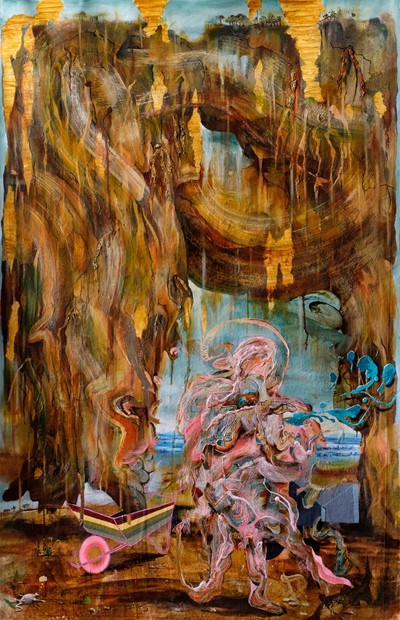
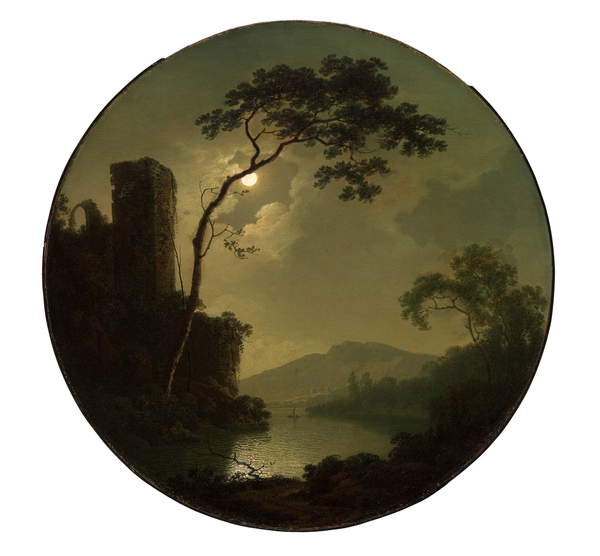
I looked at Henny Acloque’s paintings on her website, www.hennyacloque.com. The thing which struck me about her work is the juxtaposition of brightly coloured figures, sometimes cartoon-ish, against sombre backgrounds, often “classical” background landscapes – Durer came to mind. I read an extract from a catalogue of her work compiled by the Contemporary Art Society (www.contemporaryartsociety.org) which described her use of “meticulously layered pigment and varnish”, and I decided to see if I could achieve anything similar in terms of vibrancy of colour within this exercise.
SO WHAT?
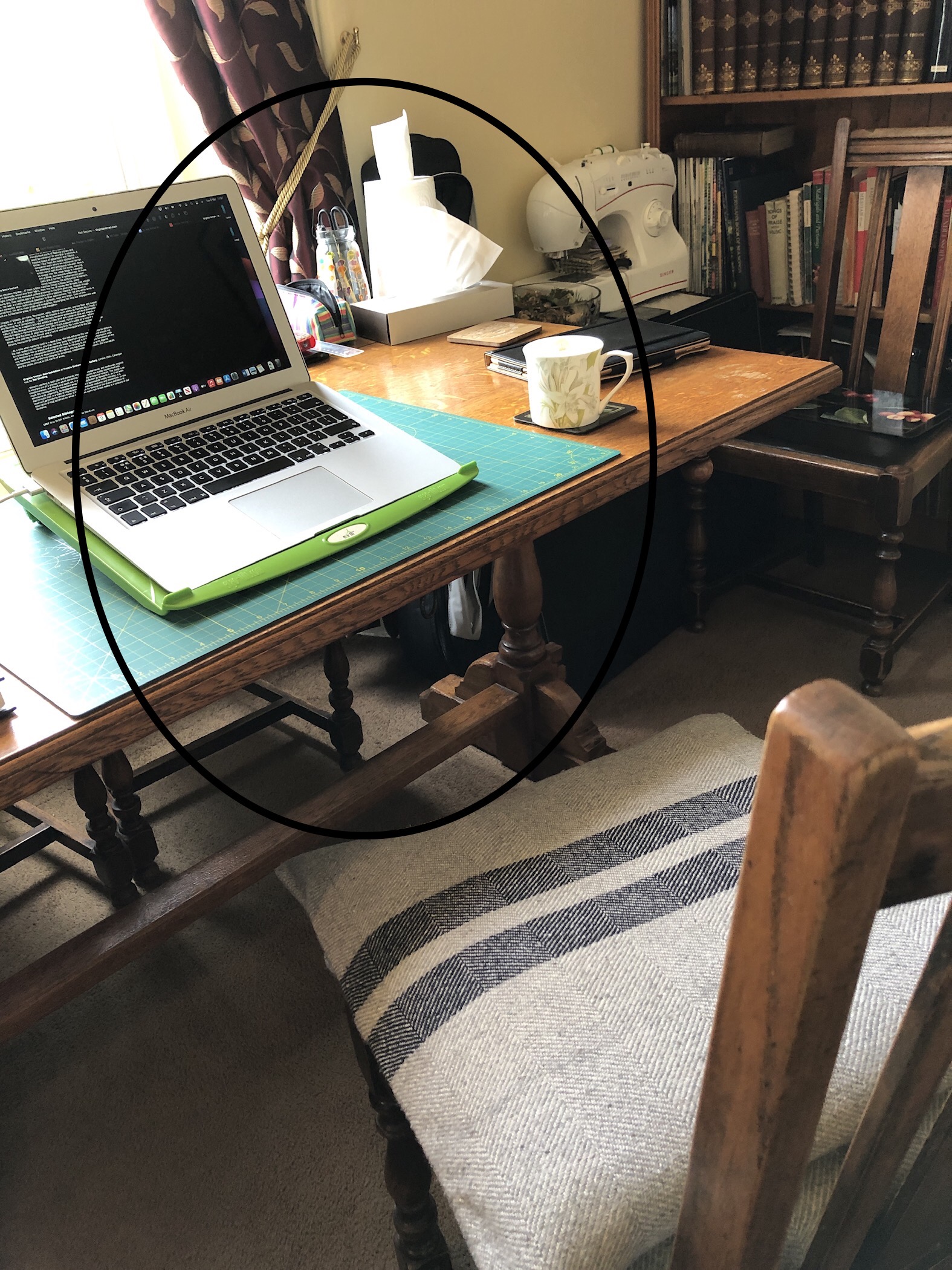
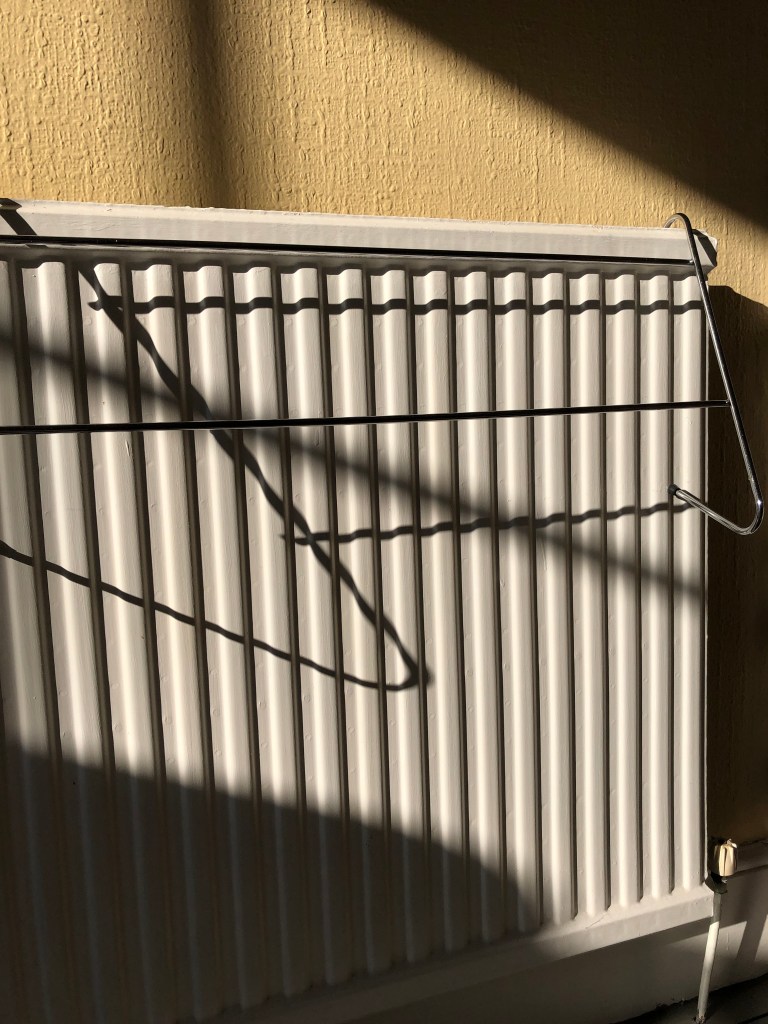
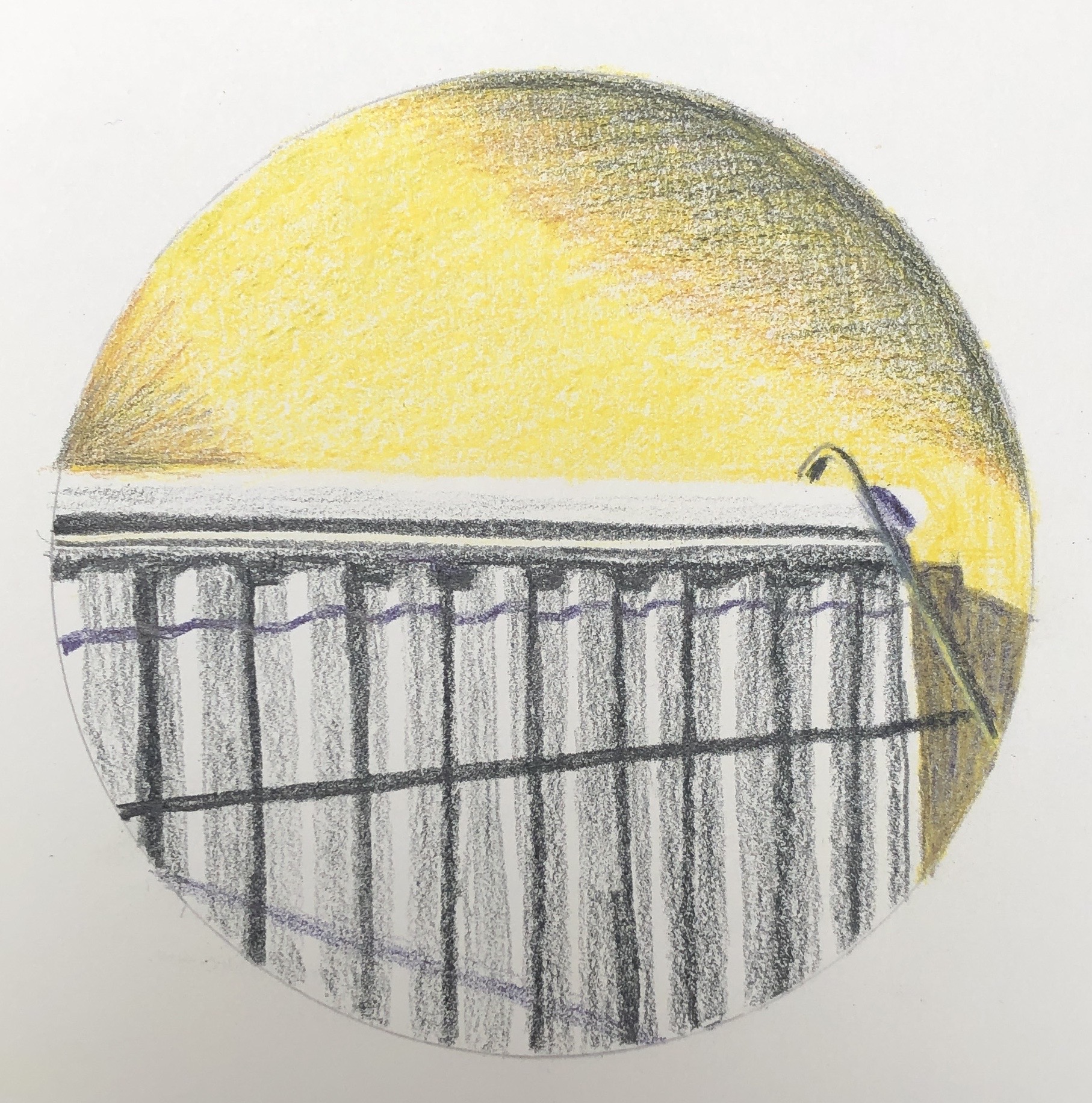
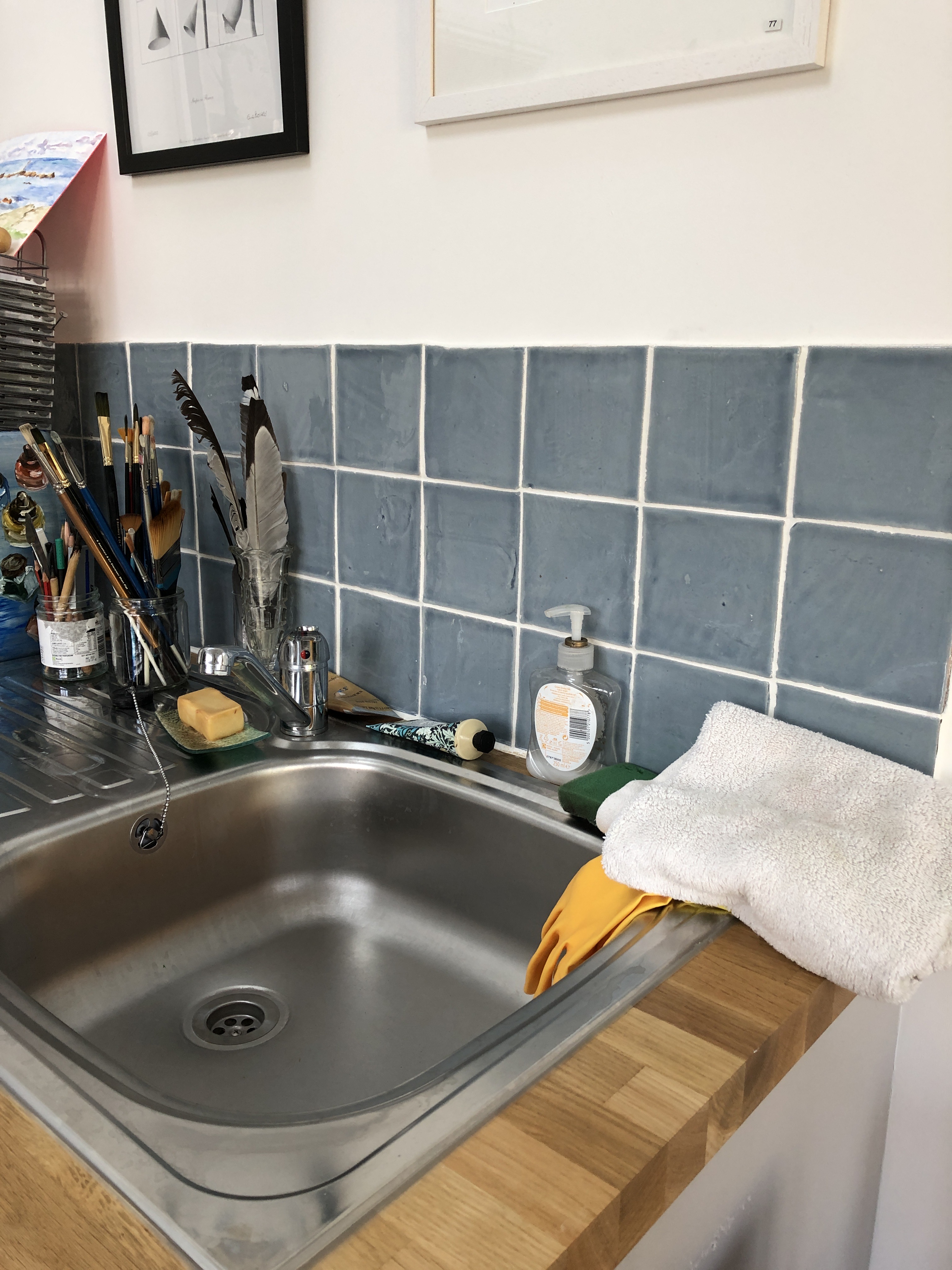
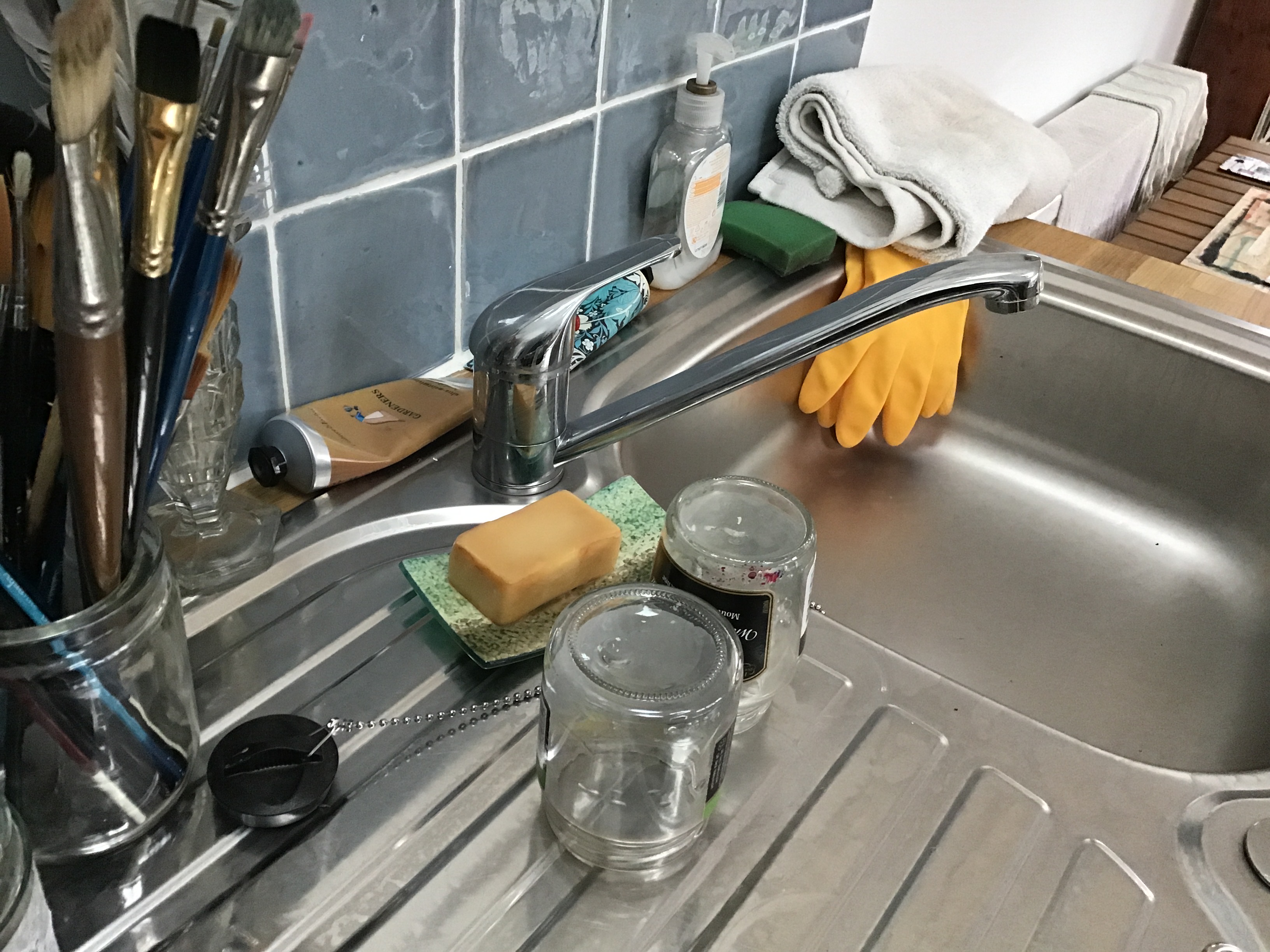
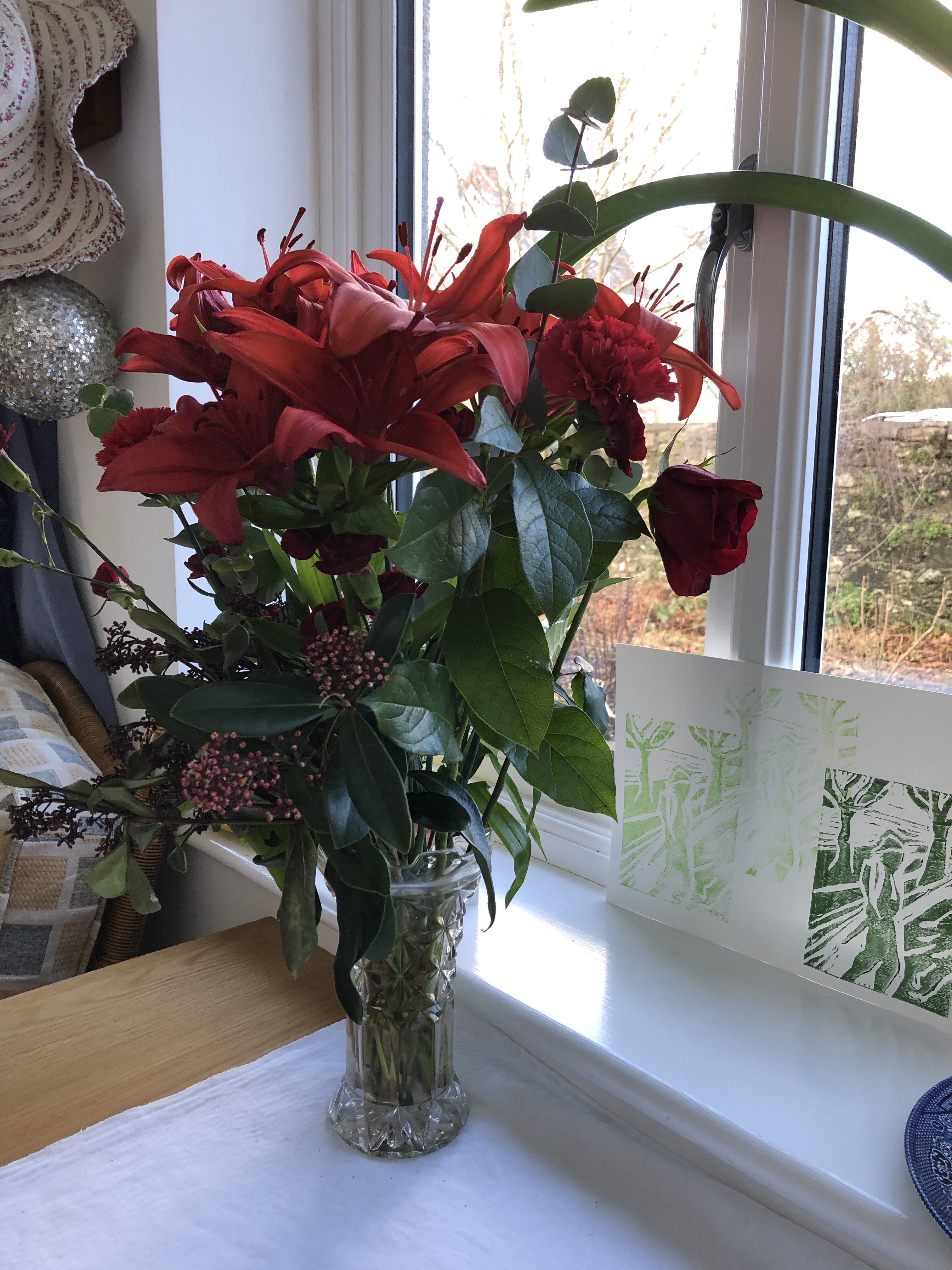
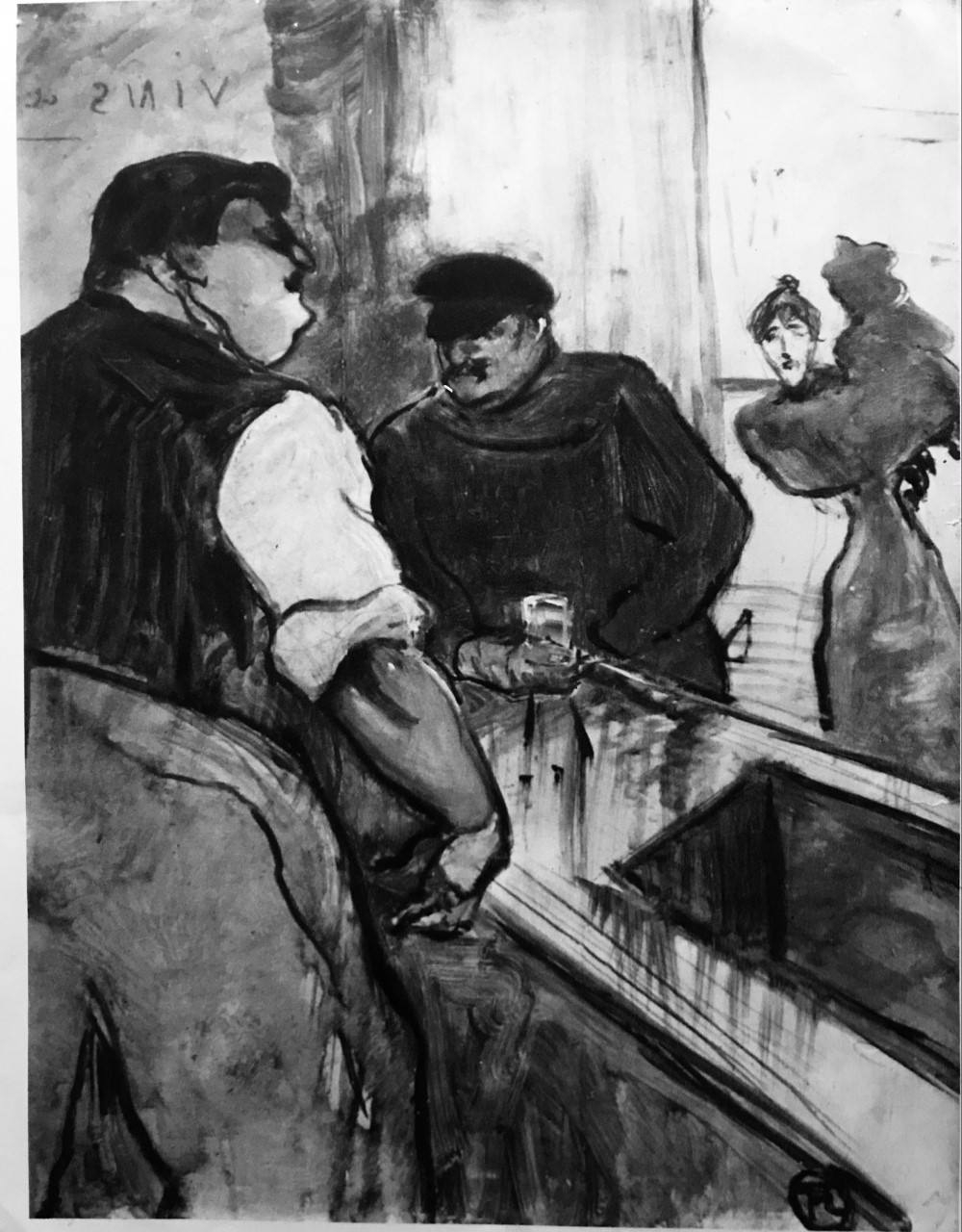
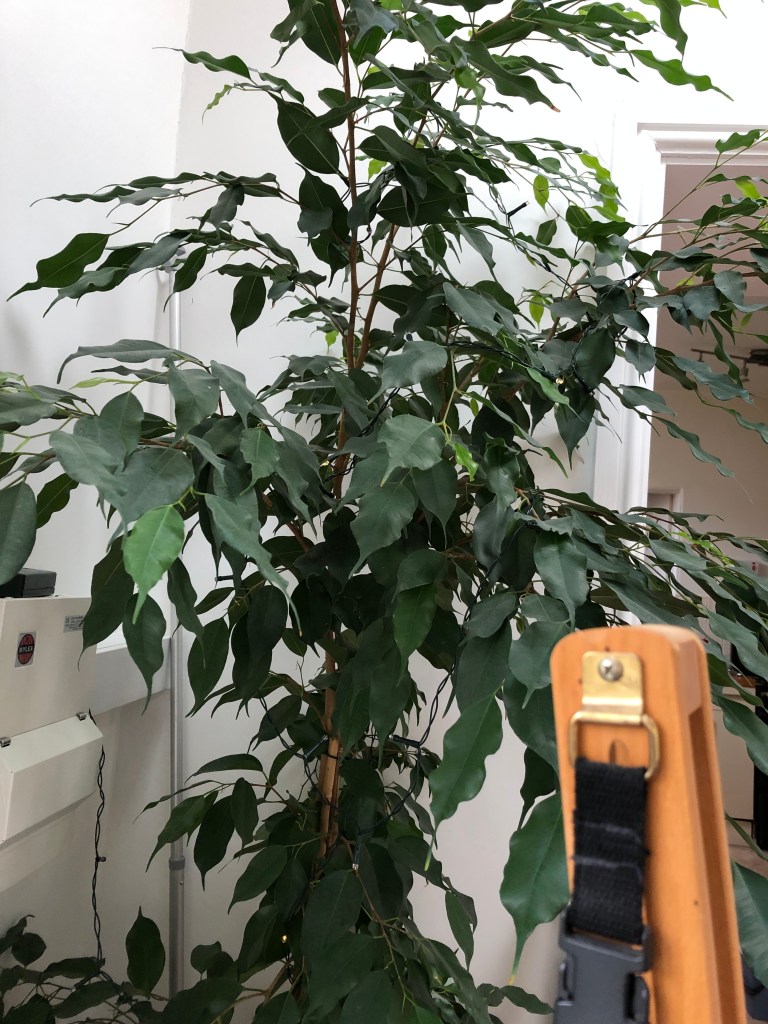
I began working on a piece of brown packing card using egg tempera, and created a very rough image for the purposes of experimentation, derived from this original photograph:
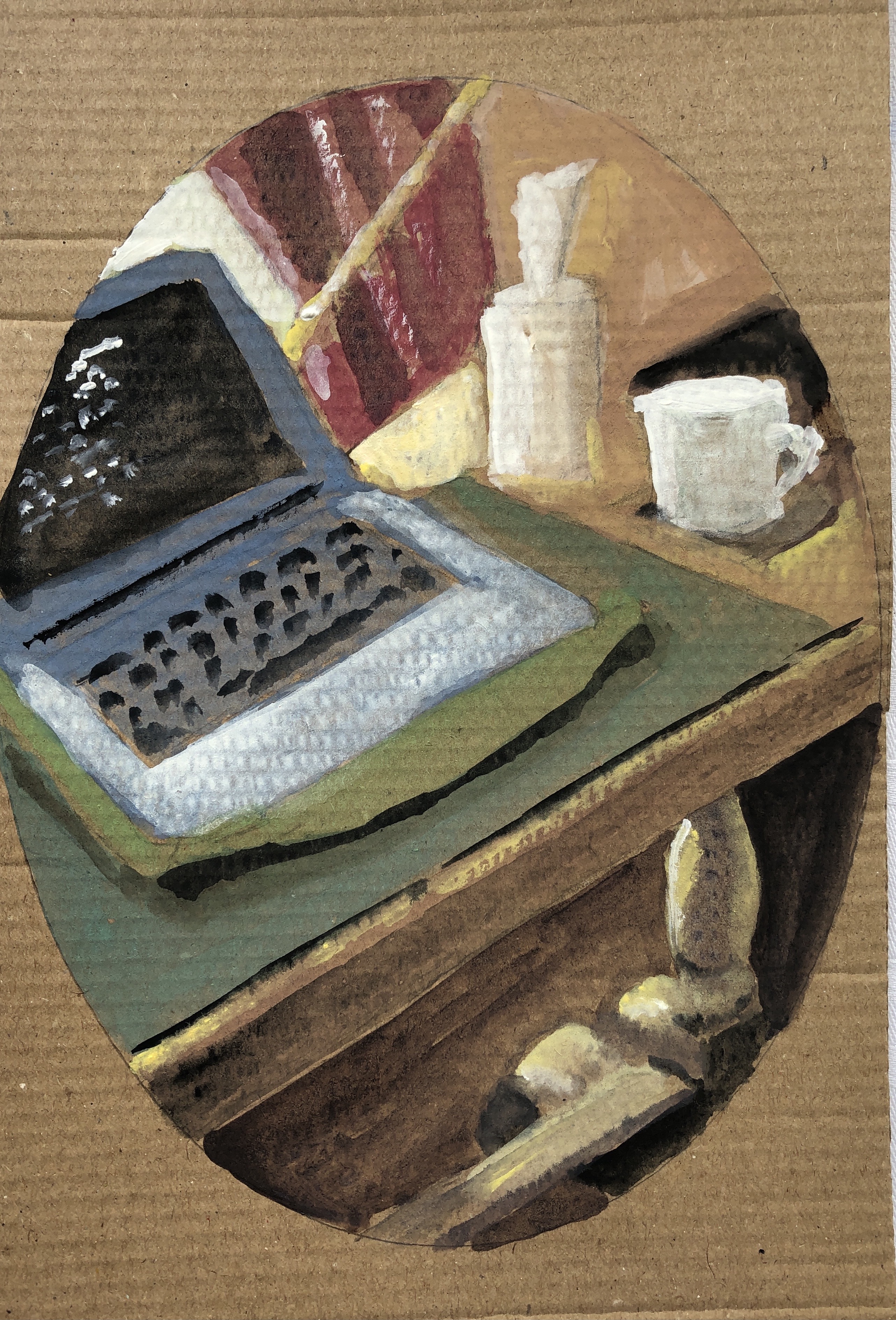

I left the paint to dry for about 3 hours; running my fingers over it, it felt perfectly dry to me. I ruled the painting into three sections – the first I was going to keep unvarnished for comparison, the second I was going to varnish, and the third I was going to varnish, then paint onto, and then varnish again.
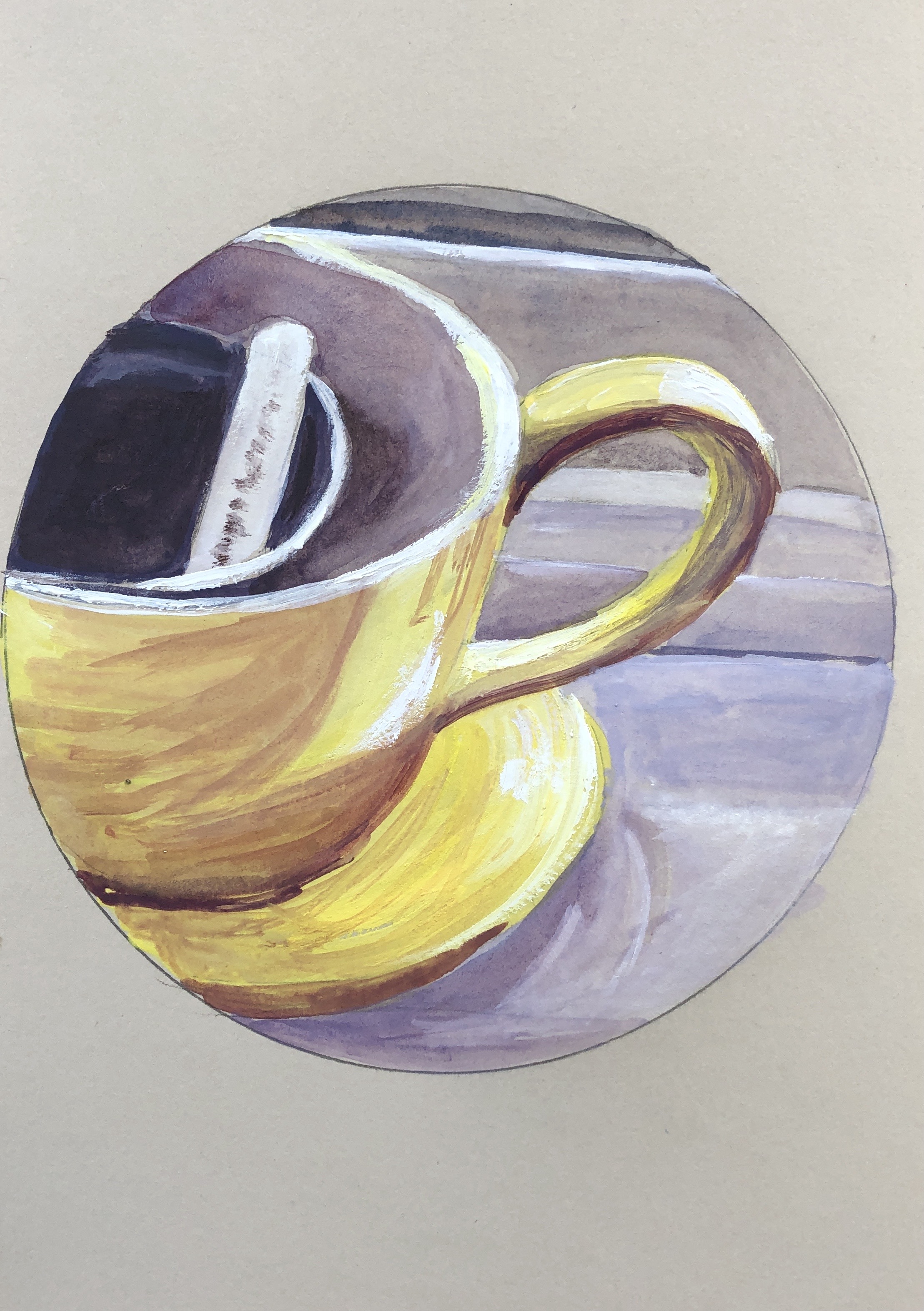
This turned out to be a bit of a disaster – as soon as I started to apply the acrylic varnish with a brush, it dragged streaks of the paint with it – as can be seen by the middle section, here. I left the varnish to dry, then painted into the right-hand third section again, to try and increase the intensity of the colour. This time I left the paint to dry overnight before varnishing this third section – but it still picked up streaks of the colour and moved it around – see the close-up photo below:

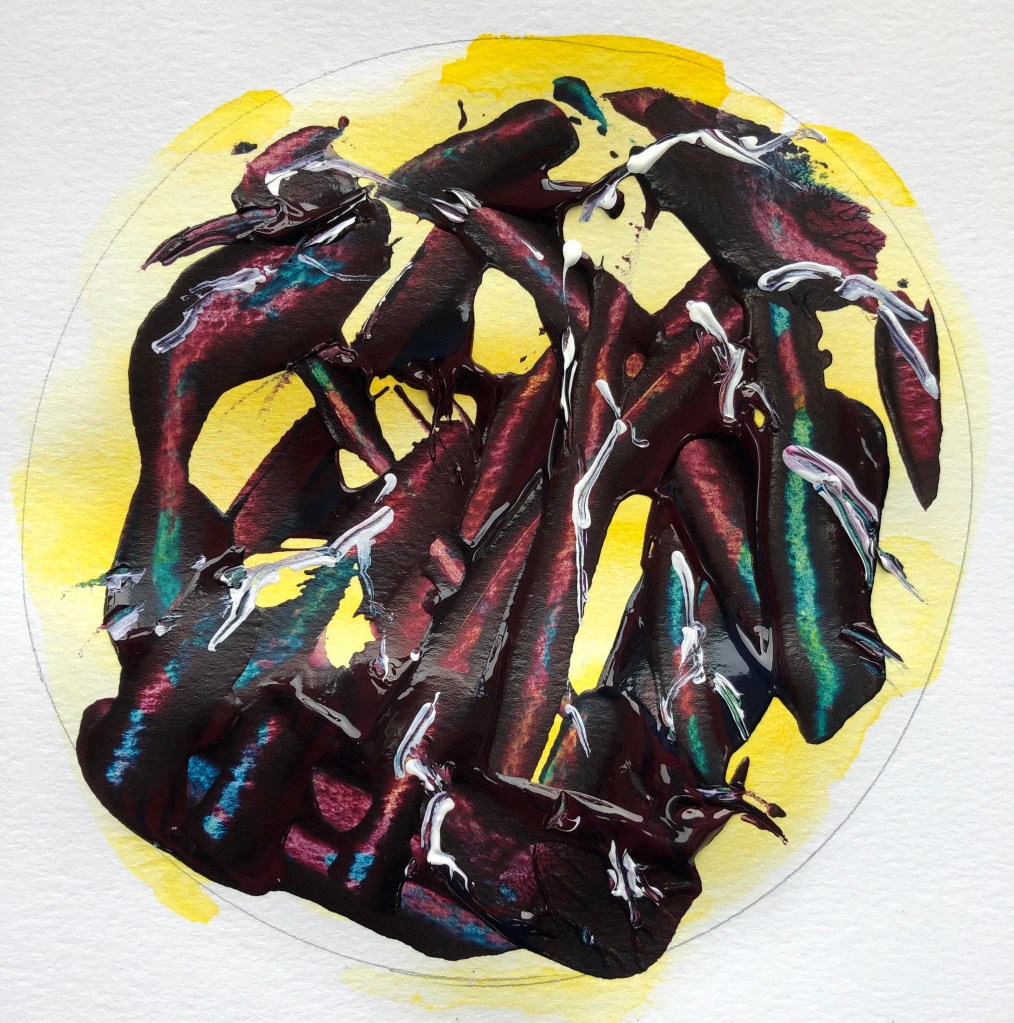
An interesting experiment – the colour is definitely more luminous (as one would probably expect by adding another coat), and the way the varnish has picked it up and drifted it around has made it quite ethereal and shimmery, as something would look in bright sunlight – but clearly nothing like the effects Henny achieves.
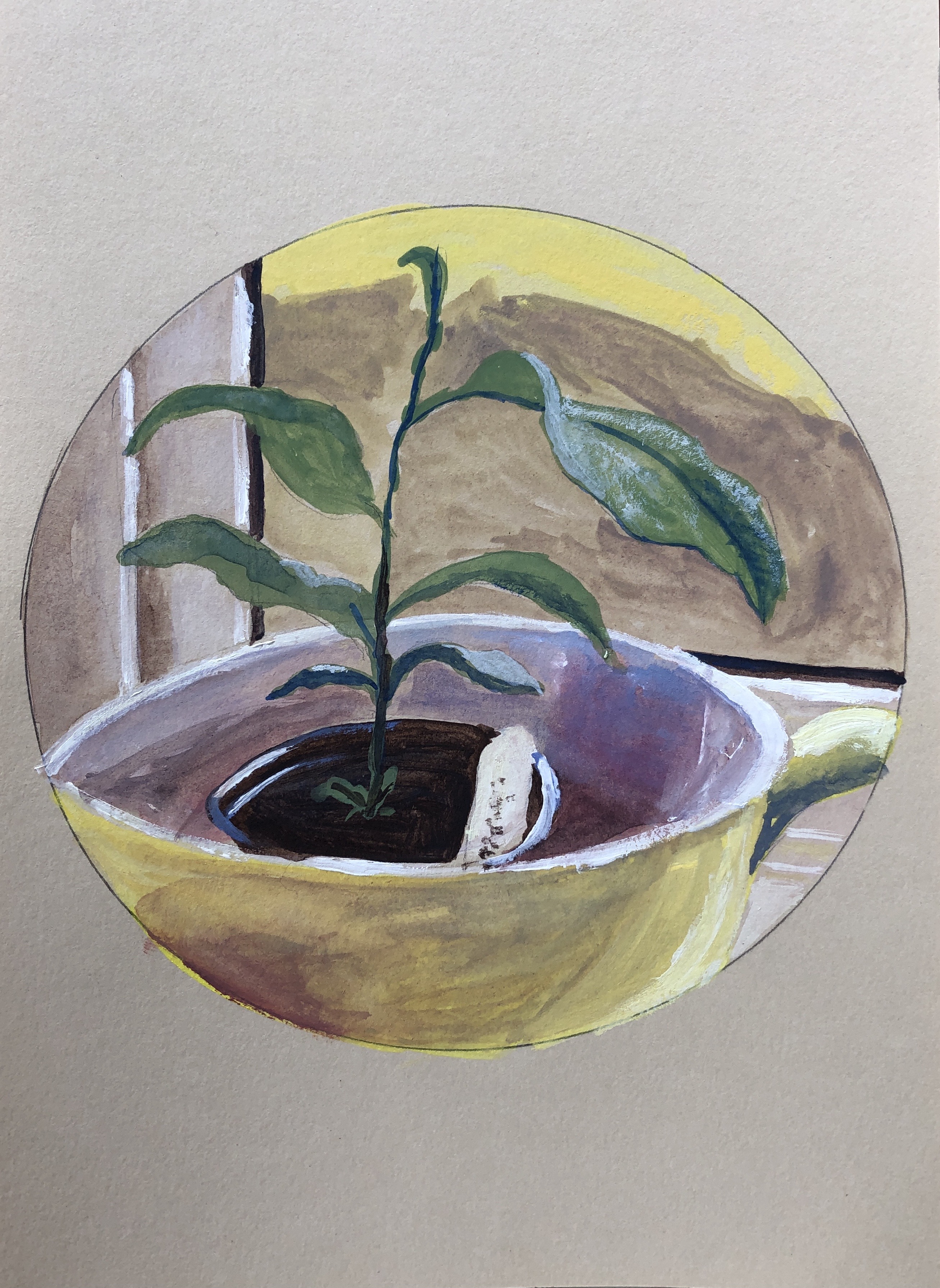
I decided to try again – this time just a straightforward design in primary colours and white on the same board, again using egg tempera. This time I left the first coat to dry for 72 hours before adding any varnish. It seemed to have dried and the varnish was easy to apply, although still with a small amount of paint drag. Because of the design which I had made without thinking it through, I now changed my arrangement – so:
Left section= just paint
Right section = paint and varnish
Mid section = paint, varnish, paint, varnish
Here is a “before and after”:
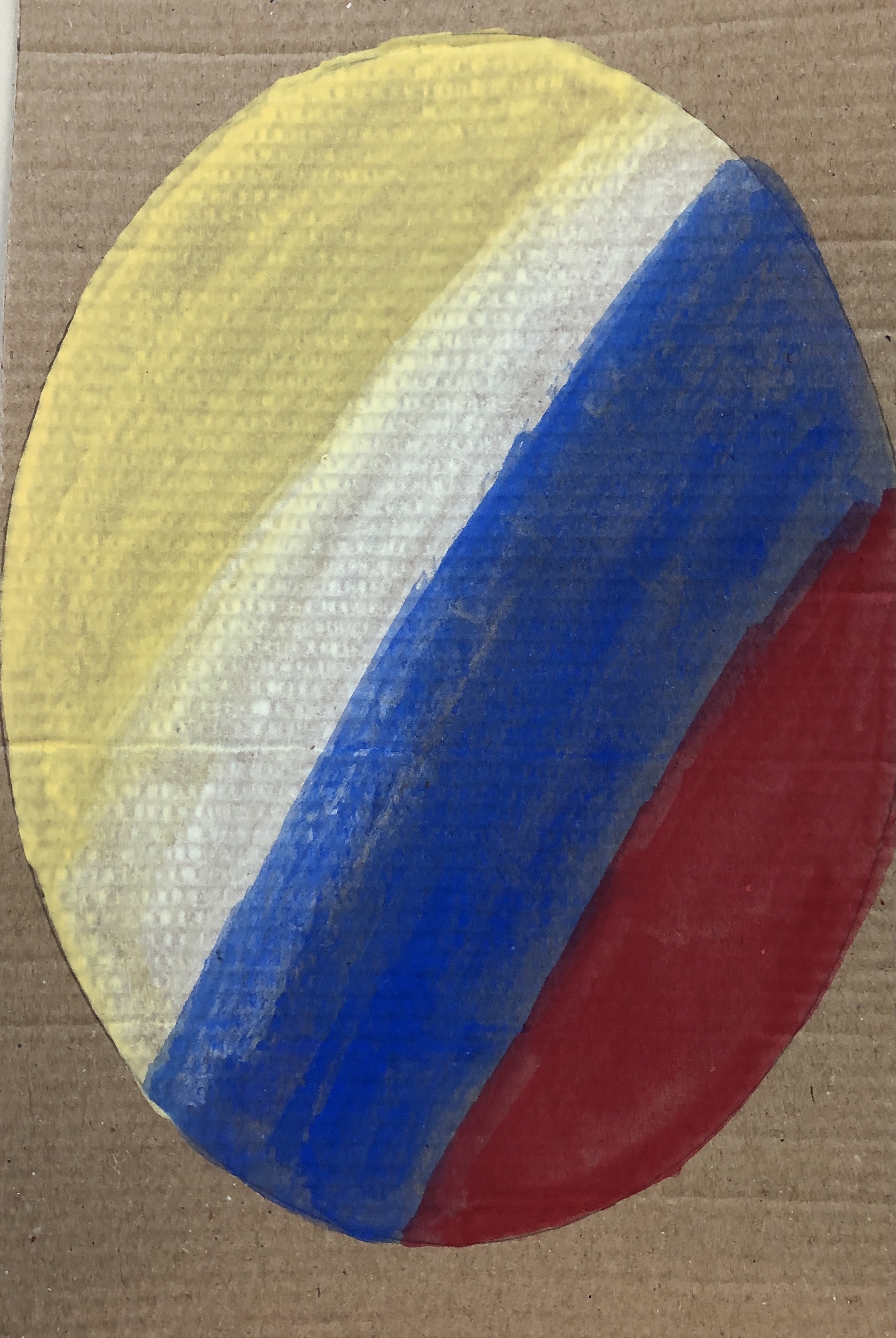
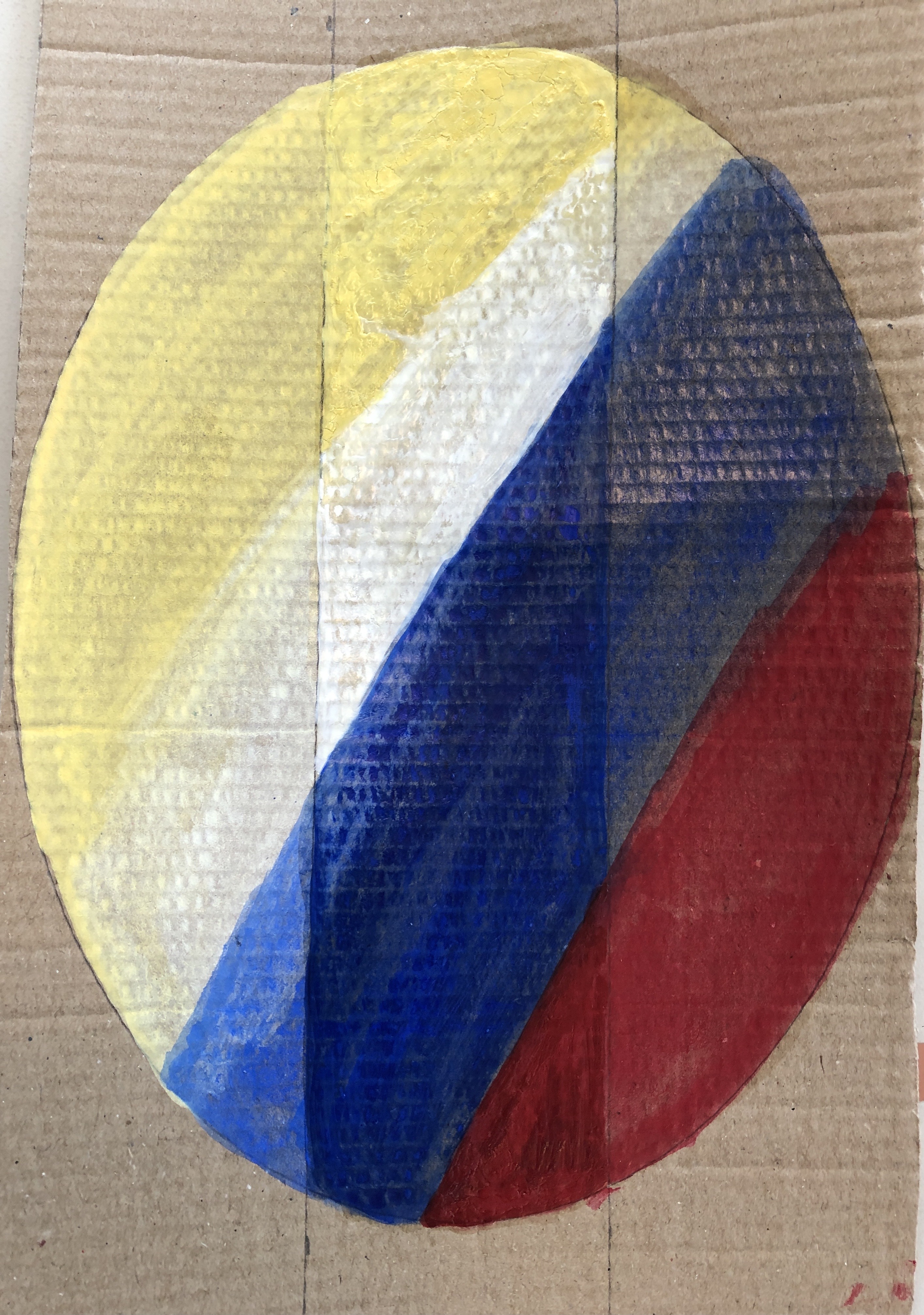
I left the second layer of paint in the mid-section to dry for 96 hours – but as soon as I began to apply the varnish, it began to drag the paint all over the place. Obviously, the first paint layer must have partly soaked into the packing card, which helped it appear to be dry, whereas the second layer, sitting on the first coat of varnish, had nowhere to go and would need longer than 96 hours to dry properly.
NOW WHAT?
I have learned that:
- if you are going to use varnish, you need patience
- On reflection, I wonder if it is a property of the egg acting as binder for the pigment – is it that it doesn’t hold the pigment as strongly as some component of the varnish? Seems unlikely though, as Old Master egg tempera paintings have lasted centuries – I do think I’ve just not left the paint surface for long enough before applying the varnish
- Which would then imply that using this technique (layers of paint and varnish) to obtain jewel-like colours would mean that a painting might take weeks, or months, to complete. Hmmm.




























 Sue J's blog